
From Athlete to
Entertainment Ecosystem
How modern athletes evolved from competitors into cultural brands,
community builders, and multi-platform ecosystems.
Overview
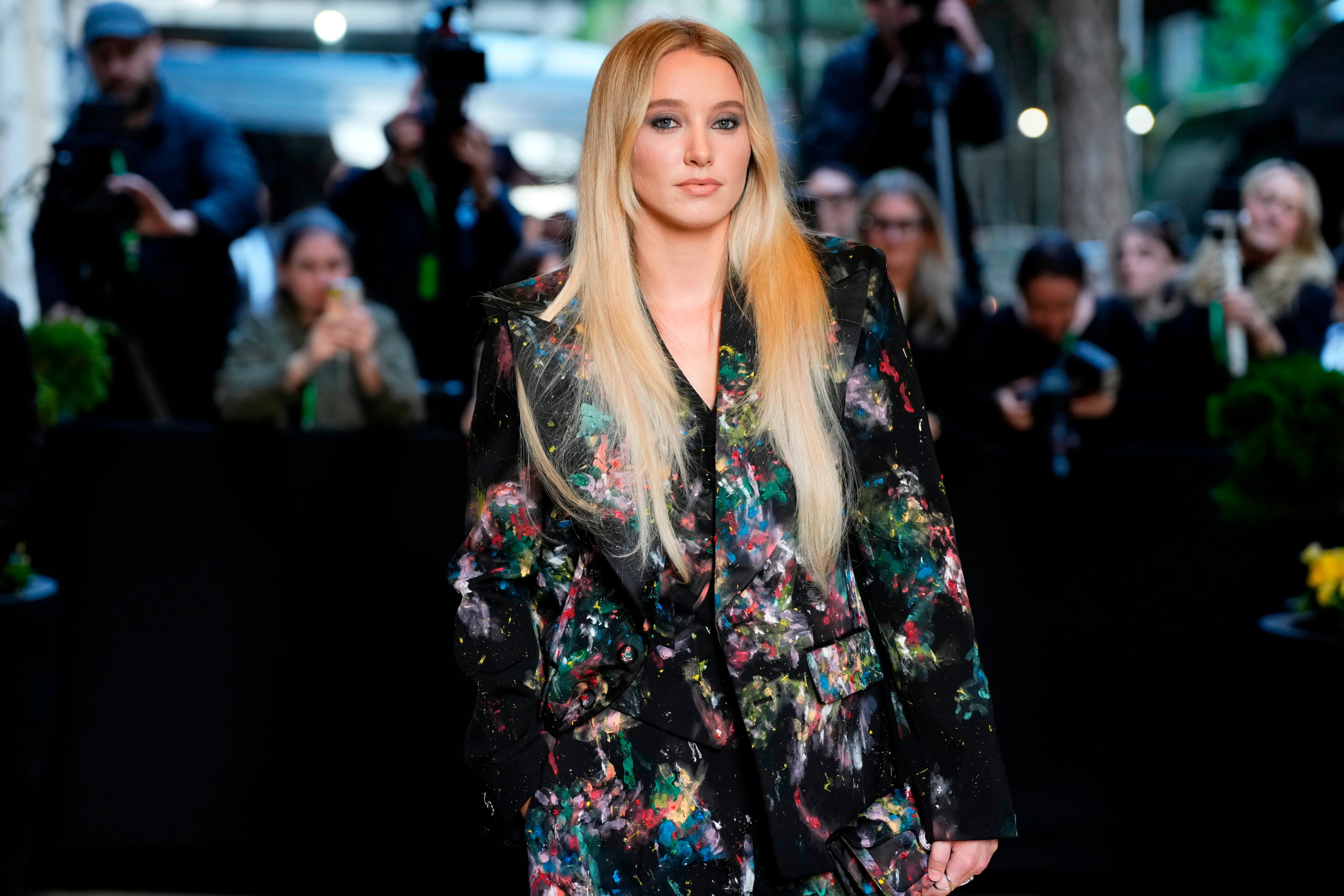
The rise of social media, NIL, direct-to-fan platforms, and creator culture has fundamentally transformed the role of the modern athlete. No longer defined solely by on-field performance, today’s athletes operate as full-scale ecosystems—driving culture, shaping consumer behavior, building communities, and influencing audiences far beyond game day.
Core Insight
Modern athletes have evolved from competitors into entertainment ecosystems.
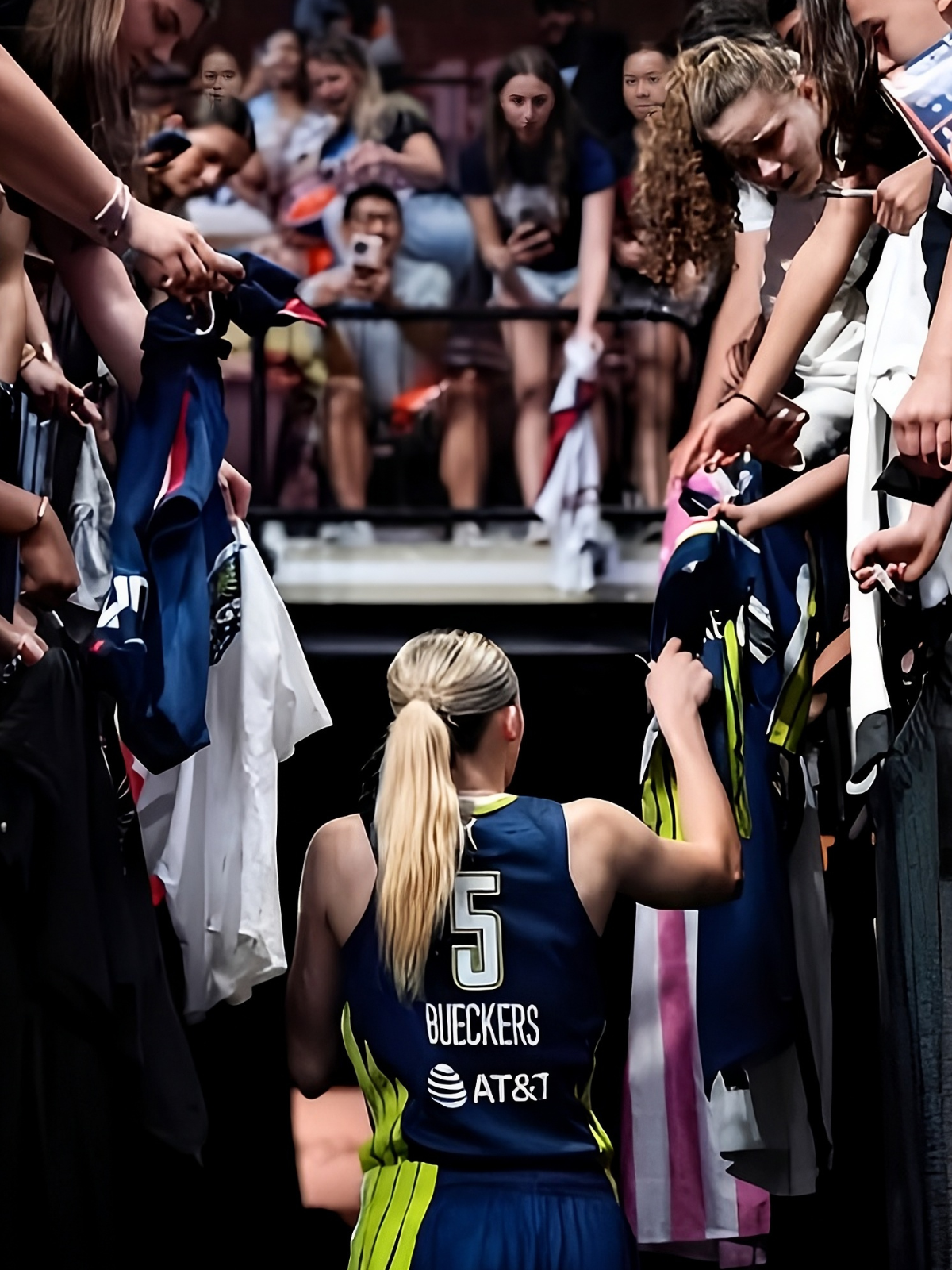
As audiences increasingly seek connection, identity, and belonging, athlete influence now extends far beyond performance. Fans no longer engage solely on game day—they integrate athletes, teams, and sports culture into their daily routines, digital habits, communities, and personal identities.
The game may initiate the relationship, but storytelling, personality, and cultural participation sustain it.
Key Observations
Fandom Has Evolved from an Event to a Lifestyle
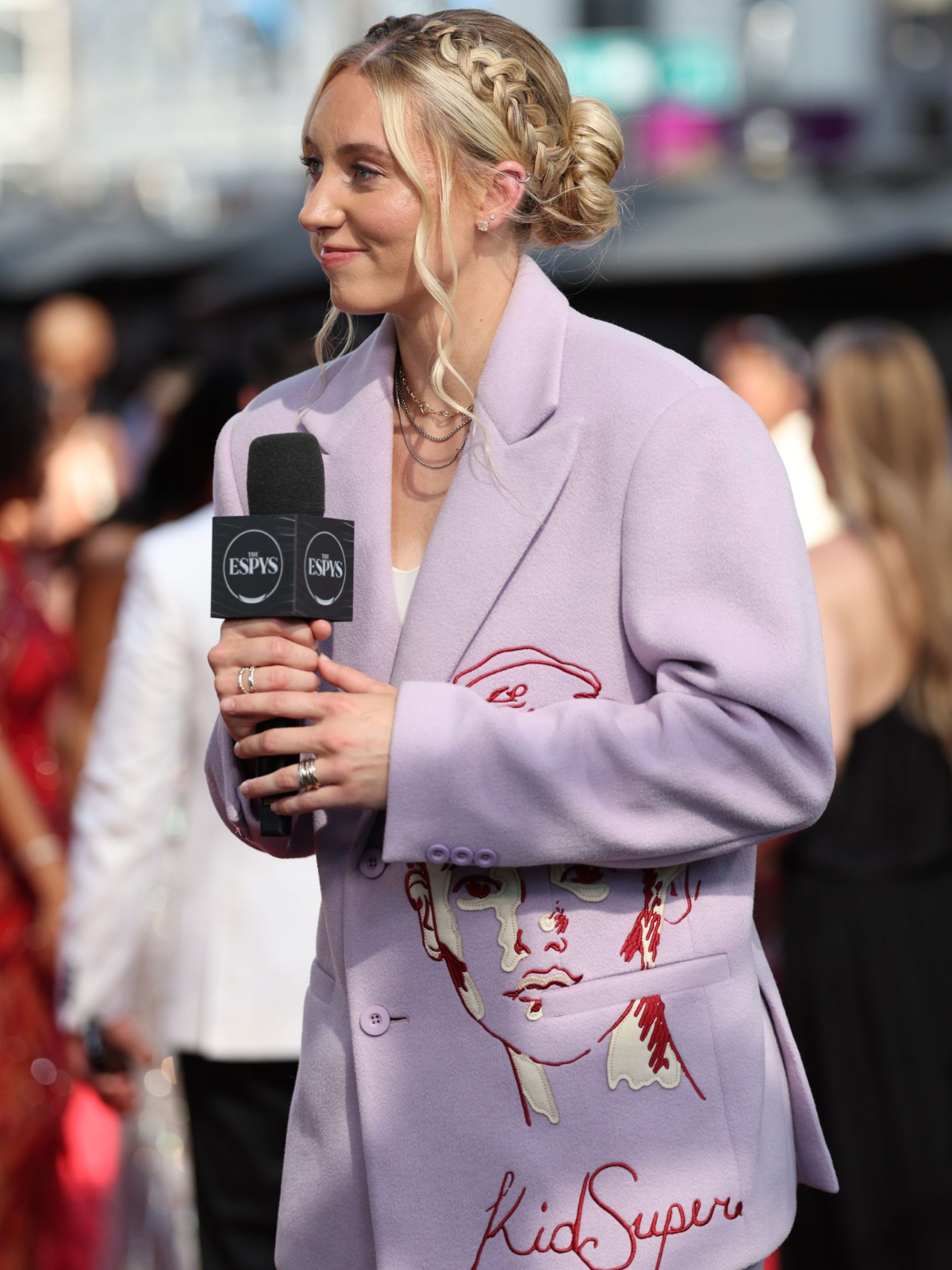
Sports fandom is no longer confined to scheduled games and final scores. Fans now participate in sports culture daily through podcasts, social media, tunnel fits, behind-the-scenes content, interviews, and community conversations.
What was once event-based consumption has evolved into identity-based participation.
⸻
Emotional Connection Creates Influence
Audiences do not simply follow athletes—they form emotional relationships with them.
Fans connect with athletes through personality, values, aspirations, style, and storytelling. These emotional connections create trust, deepen loyalty, and significantly increase an athlete’s cultural and commercial influence.
⸻
Authenticity Has Become a Distribution Channel
The most influential athlete content is often the least polished.
Tunnel walks, candid social posts, locker room moments, podcasts, and everyday interactions create a sense of intimacy that traditional media cannot replicate. Because this content feels authentic, it carries heightened credibility and drives deeper engagement.
Strategic Implications
• Athletes should be viewed as multi-platform ecosystems rather than solely athletic performers.
• Organizations must invest in identity-driven storytelling alongside traditional performance marketing.
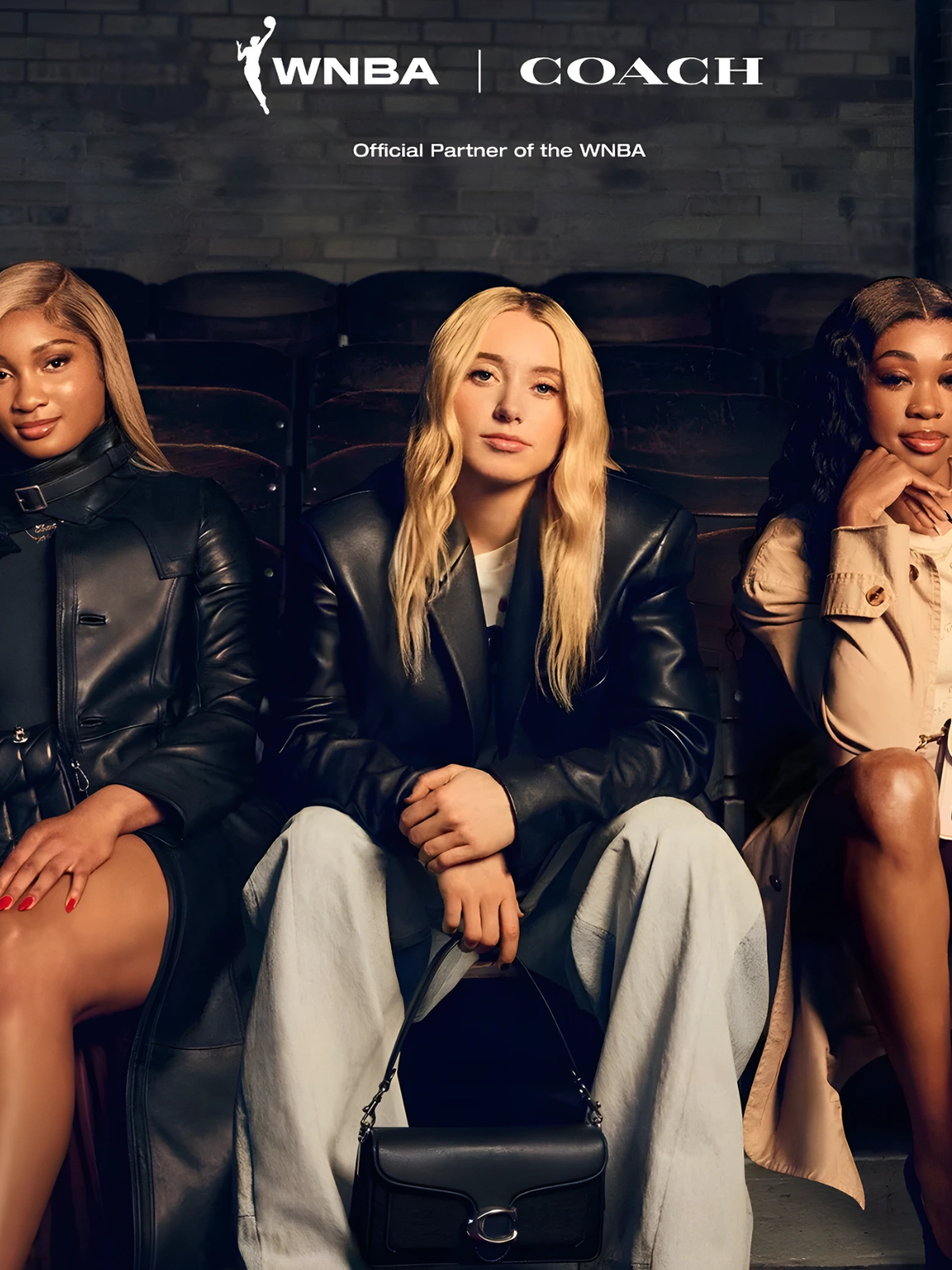
• Brands that authentically integrate into athlete ecosystems will unlock stronger cultural relevance and consumer trust.
• The future of sports marketing lies in community, emotional resonance, and cultural participation—not simply visibility.
⸻
Closing Thought
As audiences increasingly seek connection over consumption, athlete ecosystems will become some of the most valuable cultural and commercial assets in modern entertainment.
Selected Works

Jordan Ward & Joony "JRNY" EPCreative Campaign Strategy
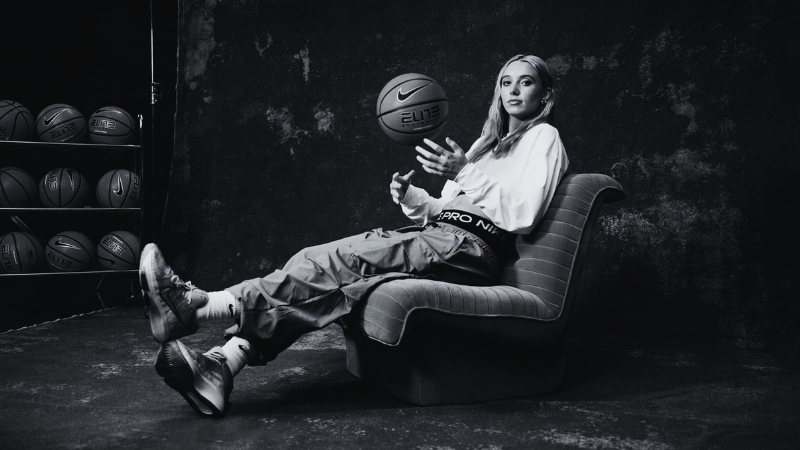
From Athlete to Entertainment EcosystemCulture Case Study
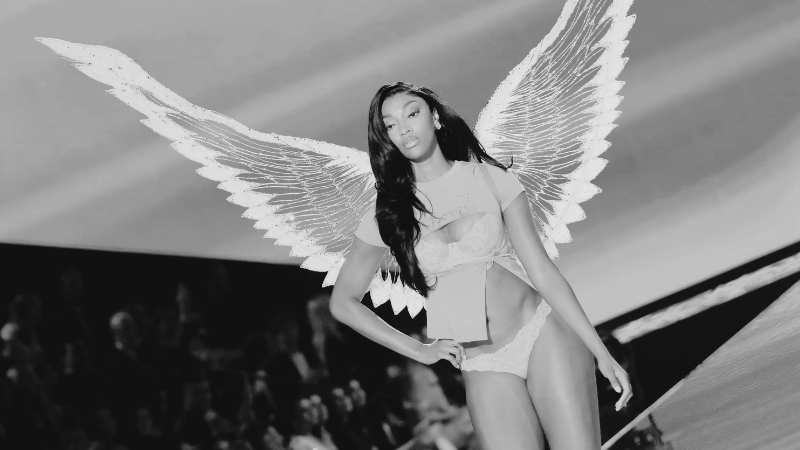
Angel Reese: The Business of VisibilityCulture Case Study
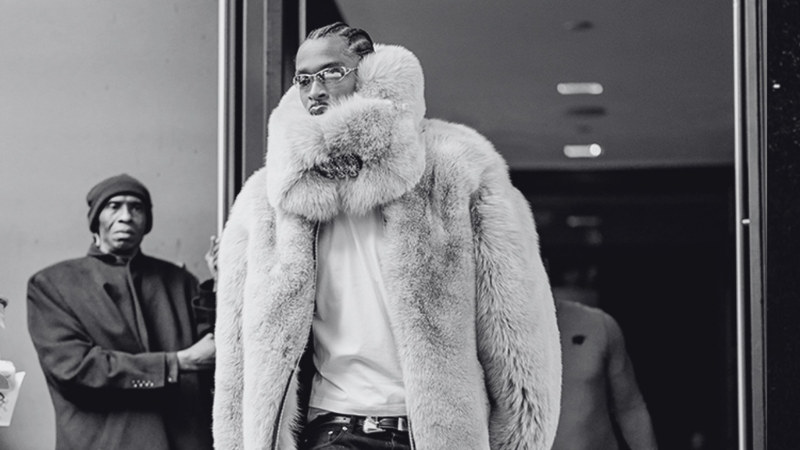
The Athlete Tunnel Is the New RunwayCulture Case Study
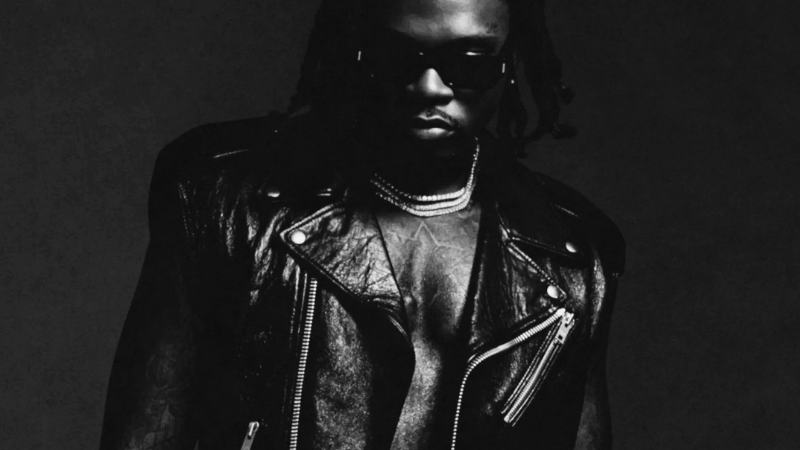
Gunna: Why Authenticity WinsCulture Case Study

41 "Birthday" Music VideoCreative Production Strategy

Joony "SHITUMSS" Pop-Up ShopArtist Experience Strategy

Monaleo "Where The Flowers Don't Die"Campaign Strategy

Cosmopolitan Magazine Mock-upBrand Identity Exploration

DPR Ian x LOCKED UM Dance WorkshopExperiential Marketing